
We Define IT
  • Home
  • Plans
  • Testimonials
  • Professional Services
  • Blog
  • Contact
  • Login

How Much Laptop Storage Do You Need

3/15/2023

0 Comments


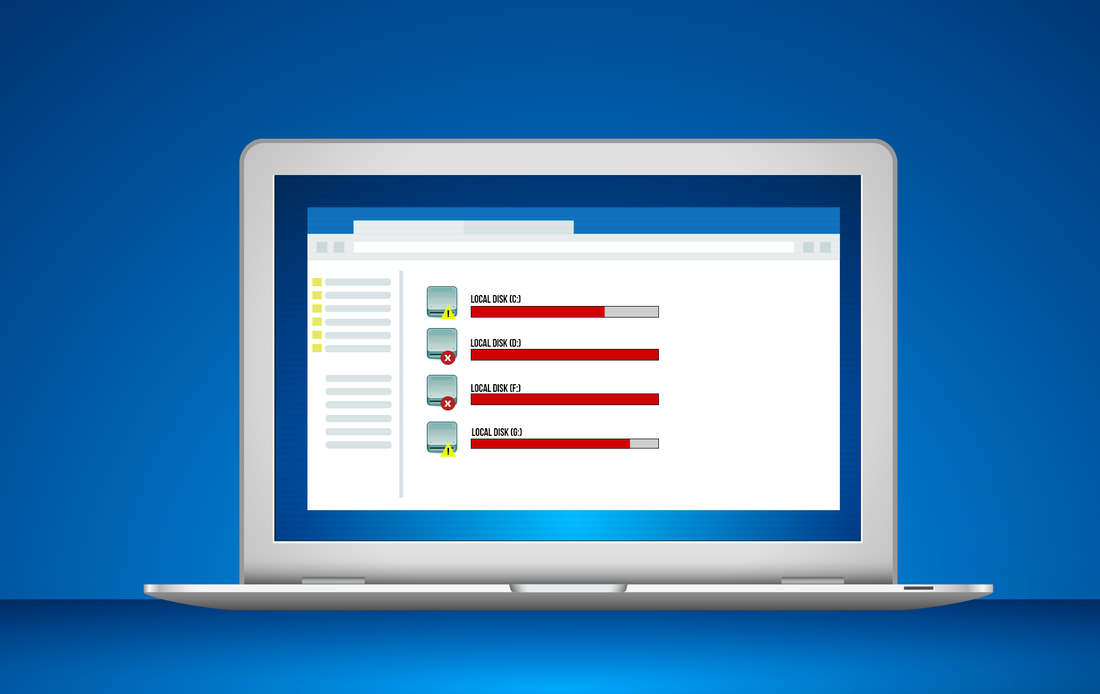
When looking to buy a laptop, one of the main things you have to decide is how much storage you need. That’s a challenging question for many of us to answer. Let’s discuss the factors that matter and how to decide.

The short answer, for many people, is that you don’t need much laptop storage. Having 512 GB available is often enough for a regular user, but it’s going to depend on how you’re using the laptop.

For example, if you use cloud email, your account likely comes with cloud storage. Using cloud-based applications such as Google Docs also saves storage space.

If you’re using the laptop to stream videos on TikTok or YouTube, or watching your series or movies on Netflix or the like, you’re also taking advantage of the cloud. Very little data is actually stored on your computer.

Even so, remember to account also for your operating system. Microsoft and Apple recommend 32 GB of storage space to accommodate their OSs. Otherwise, you could encounter performance issues.

Also, if you edit videos or work in graphic design, you’ll likely want a lot more available storage.

How storage space impacts your computer use
Storage space is the capacity your computer uses to store files and data. So, when you have a lot of data, images, or video to hold and work with, more storage helps the PC recall them more quickly.

If you are a digital hoarder, that can also factor into your storage needs.

When thinking about storing photos, you’d have to have many albums to make a dent. If the average image size is about 4 MB, it would take 1000 photos to use up 4 GBs of space. But video eats up a lot more space. An hour-long 1080 p video could occupy 10,000 MB (10 GB).

If you regularly download new apps and games, you can quickly fill up your storage space. Purging unused files and apps consistently frees up space.

Considering the cost of laptop storage
More storage can mean a bigger price tag, so you’ll want to balance your storage needs against your budget constraints.

If you can spend freely, go ahead and get more storage. Otherwise, you’ll want to weigh hard disk drive (HDD) and solid-state drive (SSD) upgrades.

HDDs offer more storage for less cost, but slower reading and writing. SSDs can be three to four times as expensive, but you do get greater speed. SSDs are also typically quieter, more durable, and consume less energy.

One option is to buy a laptop with a smaller SSD and get an external HDD to meet both your speed and storage needs. HDDs can be better for data recovery and for storing large amounts of data you’re not accessing often.

Need help making decisions about your laptop purchase or storage needs? Our IT experts have the answers you need. Contact us today at (888) 234-WDIT(9348).
Picture
0 Comments

GPU Shortage Ends: The Benefits

1/1/2023

0 Comments


You may not think about it much, but your computer needs a graphics processing unit (GPU). The GPU allows you to see multimedia content and renders the graphics of your video games. It can also accelerate high-performance computing. The good news? It’s no longer as difficult to get a new graphics card at a reasonable price.

A global shortage of GPUs in 2021 made it challenging to obtain new graphics cards. That could stall repairs and upgrades. Plus, people who wanted to build their own computers struggled to do so. If you did find a GPU available, you could expect to pay much more than usual. Scalpers were also buying the chips up and charging exorbitant prices.

One problem was that major chip manufacturers were struggling to source silicon. It’s needed for the semiconductor functionality of GPUs. The pandemic slowed and even stopped production at some of the largest silicon manufacturers.

It didn’t help any that cryptocurrency miners were buying up GPUs, too. They needed the processing power to mine efficiently.

Why the shortage is over
Fortunately, the GPU storage is ending. GPU manufacturers continued developing chips while waiting for the silicon semiconductors they needed. Now that those are back online, the graphics card companies can quickly make up for lost time.

At the same time, GPUs are no longer the best option for cryptomining. Instead, they have been replaced by more efficient application-specific integrated circuits (ASICs).

What happens next?
Actually, a surplus of older GPUs is expected, as a new generation of GPUs has arrived.

A new GPU series means manufacturers and computer parts stores will look to clear inventory. They'll want to sell off older GPUs to make room for the new product.

This can be good news. You can expect prices of the previous generation of technology to come down. Plus, you can take advantage of the GPU surplus to replace a failing GPU. Or you can now upgrade your graphics card more affordably.

Get in the GPU Game
Want help upgrading your GPU or evaluating if your computer can handle the new GPUs coming in a few months? Our experts can help.

Picture
0 Comments

What You Need to Know About the Risks of Browser Extensions

12/15/2022

0 Comments


With “Googling it” now a common expression, it’s safe to say you do a lot online. To do it all you’re using a Web browser (such as Chrome, Edge, Firefox, etc.). To do it all more efficiently or effectively, you could be using browser extensions, but this article is going to warn you against doing so.

To clarify, browser extensions are code add-ons that you connect to your browser. You can use them to personalize your surfing experience, and they accomplish many different things, including:
  • saving time (e.g. Scribe, Evernote, StayFocusd)
  • checking your grammar (e.g. Grammarly)
  • managing your passwords (e.g. Keeper, LastPass)
  • securing your online activity (e.g. DuckDuckGo, Ghostery)

Even though we’ve just said they can help secure your online activity and manage your passwords, the problem is that they are also risky.

Consider the fact that we said this represents added code. Now, how much coding do you know? Most will say “not a lot.” That means you’re blindly trusting that browser extension.

If you download a malicious one, that code can wreak havoc. Suddenly, your default search engine gets changed, or you get redirected to a start page with malware on it. You might face an onslaught of pop-ups or ads. They can also track your browsing history without you knowing it.

That’s just the beginning
Many browsers today want to keep you safe from malevolent extensions. They’ll have permissions in place before allowing access. Yet you still end up giving that extension a lot of access. For example, an extension modifying google.com needs access to all your Google activity. That means your Gmail, too.
Browser extensions access everything you’re doing online. So, a malicious extension could also function as a keylogger capturing passwords or credit card details.
A browser extension can also be sold to or hijacked by a bad actor. Then, it’s easy enough for them to push out an update that turns your trusted extension into malware.

What to do about this issue
Does this mean you should do without browser extensions? There are even browser extensions out there to block other browser extensions, but abstinence from extensions is not your only solution.
Instead, we’d recommend reviewing the safety and credibility of that extension. This means you should:
  • Check to see who published the extension.
  • Look at the reviews. A high number of positive reviews is a good sign. Thousands of people are unlikely to give five stars to a malicious extension.
  • Pay attention to the permissions required. If an extension claims to modify only one website, check that it accesses that site only.
  • Protect yourself with a good antivirus solution.
  • Keep your antivirus solution and other software updated.

It’s also easier to stay safe by limiting the number of installed extensions you use. If you have browser extensions that you aren’t using, uninstall them. This can cut your exposure to potential threats.

Another way to secure your online activity? Work with our IT experts. We can check permissions and review your extensions. We’ll also ensure your antivirus and software are up to date. Contact us today at (888) 234-WDIT (9348).

Picture
0 Comments

How to Select a Computer Repair Business

6/15/2022

0 Comments

 
Picture

Something is broken! The laptop is whirring. The computer won’t power up. In either case, you’re staring at a blank, blue screen. Yet you can’t live without your computer. You need to find a computer repair business. But what should you look for? This article will help you make your choice.

If a computer or laptop doesn’t do what we want it to do, we move into panic mode. You may want to run out and buy a new one. That’s going to be expensive and may be unnecessary, especially right now, as a global computer chip supply shortfall is ratcheting up prices and extending delivery timelines.

The next option? Find a repair shop to take a look at your home computer. Here’s what to look for.

#1 Good reviews and high ratings

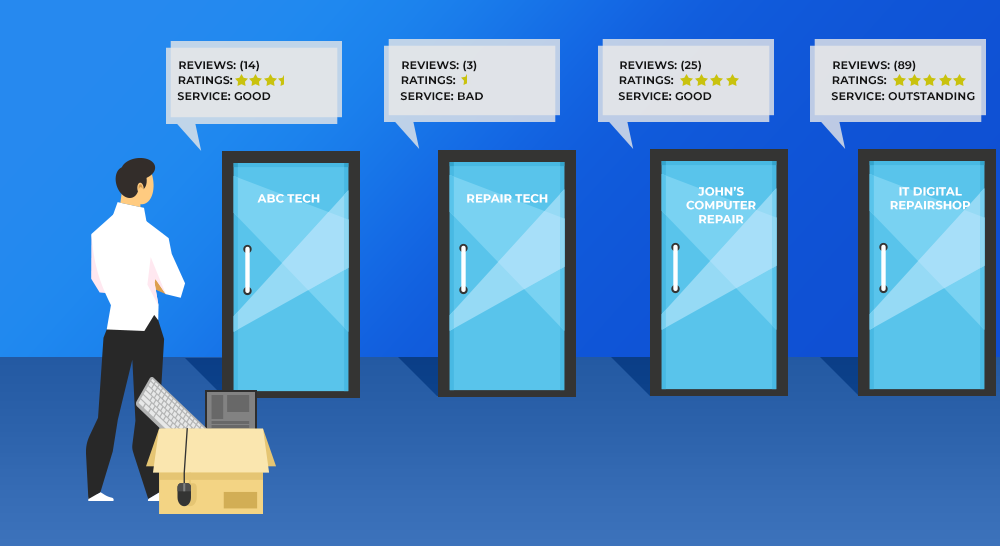
Look up the business online and see what kind of customer feedback it gets. Don’t fall for a single five-star review, though – that could be the owner’s cousin. Look at the number of stars, as well as the number of reviews used to reach that ranking.

It’s also worthwhile reading some of the reviews. You’ll see what other customers are saying about problems resolved (or not) at that repair shop. Customer testimonials can help you sort out which shop is best suited to solving your current problem.

#2 Comparable price estimates

Ask for an estimate before you commit to working with a particular repair shop. You may not get a full picture. The repair team will typically charge you a diagnostic fee first to gauge the problem. Then, they’ll be better able to estimate the overall cost. They should be able to explain any large price jumps from their original estimate.

This is another reason to check out the reviews. You might see several people complaining about the cheaper initial estimate luring them in. Then, they get hit with a whopping bill after the fact.

#3 Go with relevant experience

You may not know the difference between a Dell and an Apple, but your repair person should. Prefer someone with experience addressing problems with your particular brand. This can save time and money. If the repair person is more familiar with that type of device, they may troubleshoot more efficiently.

#4 Location matters

If you go with a big-box store, you risk someone who doesn’t know much about computers shipping your device to a central repair hub. That means it can take longer. Your device could also be at further risk of damage while en route. Plus, you won’t get an accurate estimate for repair costs upfront.

If you select a local computer repair shop, you can get to know the individual working on your computer, and you know the device will be worked on in that store. Plus, if you ever have future issues, you can return to working directly with that same individual again.

Professional Help MattersSure, you might have a family member or friend who thinks they are a tech whiz, but that doesn’t mean you want to entrust your computer to them. Instead, work with a seasoned IT pro who can reliably address computer or laptop issues.
​
A computer repair professional will be customer-oriented. That means they’ll know how to meet your needs courteously. They’ll keep you informed and be upfront about pricing. After all, their business reputation rests upon your satisfaction. Can your cousin Edgar or friend Sal say the same thing? Contact us today at (888) 234-WDIT(9348).
0 Comments

Refurbished Computer and Laptops Worth Another Look?

6/1/2022

0 Comments

 
Picture

If you’re in the market for a new computer or laptop, you’ve likely noticed a few things. Technology is more expensive, and there are long waits to get the devices you want. This article will explain the current computer and laptop supply-chain issues. Then, we’ll offer reasons to consider refurbished devices to meet your needs.

There are supply-chain issues for everything from pool floats to personal computers.  The pandemic placed added pressure on shippers and also increased demand for electronics, as people spent more time at home. At the same time, there is a shortage of key components.
Every computer or laptop (and so much more electronics) needs a chip. These computer chips are in great demand, but there’s a supply shortfall. The American Department of Commerce described the shortage as “a major supply and demand mismatch.” In the US, the median demand for chips was as much as 17% higher in 2021 than in 2019.

It doesn’t help any that extreme weather shut down a major computer chip plant in Texas. Meanwhile, a Japan-based manufacturer experienced a fire. It's also difficult to get new chip plants up and running. The factories are expensive and workers need to be highly trained.

Yet you can’t get a PC or a laptop without a computer chip, and the problem is unlikely to be resolved this year. Some people predict it could take years for supply and demand to rebalance, which could mean you’re going to be paying a lot more for your next, new device and be waiting a long time for it. On the other hand, you might see this as an opportunity to reconsider buying a refurbished device.
Reasons to buy refurbishedA refurbished PC or laptop is a pre-owned device with data wiped and drives restored; it's been reset to factory settings. The PC or laptop is evaluated, cleaned, and repaired before resale. In some cases, the device is upgraded, too.

Buying a refurbished computer or laptop can be the smart way to go. Here’s why.

#1 Access to quality

As you are buying a pre-owned computer, you’ll be able to pay less for better technology. A common complaint about new computers? They are outdated before you even get them out of the box at home. By going with a refurbished unit, you can take advantage of the quick turnover in models. You can get a top machine without paying the “new” price. By buying refurbished, you could afford more memory and better screen quality or processor speed.

#2 As good as new

In most cases, big corporations cycle out their computers every few years, and you now get to buy a good-as-new computer or laptop and make big savings. Refurbished computers are sold when they have been tested and cleaned up. So, you may not get that new computer smell (is there such a thing?), but you’ll get a fresh experience with a refurbished unit.

#3 You’re helping the environment

Buying a refurbished device is the green way to go. Repair is an alternative to computers and laptops languishing as waste. The computer is fixed up and recycled for another user, either by the original brand manufacturer or another computer outfit. Dell, HP, and Apple have high standards before a computer or laptop is resold as refurbished.

# 4 You can protect your refurbished purchase

If you’re worried about taking a risk on a refurbished computer or laptop, buy a warranty from the seller. You can typically buy a full one-year warranty. This protects your purchase should any issue occur in that timeframe.

Need help choosing the right computer or laptop for your home? Our experts can help you find the best device for your specifications. We can consult on your new or refurbished purchase. 

Contact us today at (888) 234-WDIT(9348).
0 Comments

Picking a PC for Video Editing

5/1/2022

0 Comments

 
Picture

Ready to be the next TikTok breakout? Or perhaps you want a video of your cockatoo “singing" “Amazing Grace” to go viral. Or you may make company promotional videos while working from home. There are many reasons you might be looking for the right home computer to do video editing. This article will help.

Yes, you can make edits on a phone or tablet, but if you want to do your videos justice, invest in the tools to meet the high demands of video editing. Consider processing power, memory, storage space, and graphic cards.

Know your CPU

Whatever your goal with your video editing, you can count on needing a lot of processing power to do the job well. Essentially, you want to get the best computer processing unit (CPU) you can afford.

Some video editing software makes use of multiple cores. You might think of this as one person with many arms to complete tasks. Meanwhile, single-core video software has one arm. If you’ve only got that one arm, it’s best to make it as strong as possible, which requires the highest processing speed you can get.

Adding titles, visual effects, and sound effects require more of your processor. It needs to compile, encode, and compress all your efforts into the final video cut. So, CPU performance matters.

Make memories with RAM

You may be wanting to edit only home videos to share with friends and family. Whether it's that or you’re creating commercial quality videos, consider memory (RAM).

Think of RAM as the amount of desk space or elbow room you have to do your tasks. Whether you have one or many arms, you’ll need more room to complete a bigger project.

At a minimum, you should be starting with 16GB if you plan to do any video editing. If you are going to be working with long videos or very large files, you should consider 32GB or even 64GB.

Storage savvy

Storage is easily overlooked but very important to video editing.
​
A solid-state drive (SSD) is essential for video editing. Old “spinner” drives work a bit like a record player. The “needle” needs to physically move to the location where the file is on the platter, which slows things down a lot. SSDs are instantaneous, using flash memory to store data. This makes your work go a lot faster.

The downside? SSDs don’t have as much storage space as old spinners. Generally, we recommend an SSD for working on the video files, and then moving the file to an old, large storage spinner for storage.

Give a graphics card a look

A graphics card is not required but can be useful when editing video. If you’re using beginner- or intermediate-level editing software, you may not need a dedicated graphics card. However, there is a performance gain when you have a good graphics card for video editing. The free DaVinci Resolve and Premiere Pro both do well with AMD and NVIDIA graphics cards.

Build with an expert
​

The best way to get the right personal computer to meet your particular video editing needs is to work with a PC builder to customize a computer to your specific needs. You can talk about the types of videos you’re editing and the software you use. Our team can optimize a system to suit you and your budget. Call us at (888) 234-WDIT(9348) today.

​

0 Comments

6 Uses for Your Old, Extra Computers

7/1/2021

0 Comments

 
When you’ve upgraded to a new computer, the old one is a bit of an albatross. You paid good money for that desktop or laptop, and you want to continue to see return on investment. Plus, disposing of that technology feels wasteful. It’s not as if a computer is going to compost itself! To help, we’ve provided seven solid ideas for how to repurpose your old, extra computers.

#1 Turn it into a Kids’ PC

Make the computer available exclusively to your young ones. You can set the device up with parental controls software to:
  • limit the sites they can access;
  • control when and for how long they can use the computer;
  • restrict them from downloading without your approval;
  • monitor their activity.

You can also isolate the device from the family’s home network to further restrict their access and cut the risk of malware infection.

#2 Make a PC for Seniors

Or, accommodate those at the other end of the seven stages of man. Turn the computer into one geared for older family members. Optimize screen display color contrast for those with poor vision. Make the text size bigger. Set up the use of voice commands. You might even use puffy paint on the keyboard to make common keys easier to find.

#3 Convert to Storage

Storing documents, videos, photos, and music on your computer takes up a lot of room. So, turn that extra computer into a media storage device to keep your new computer in top shape. Think of it as an external storage device with much more capacity than a thumb drive.

Backing up your documents and media to the cloud is always an option. Yet, you may have more that you want to store than you want to pay the fee for storing.

#4 Share a Printer on the Network

If you have a printer that connects via a USB cable, you can generally print from that computer only. You can turn your old computer into a print server that shares the printer over the network. This way, any computer on the same network can make use of the printer.

#5 Donate

If the computer is in decent condition, donate it to a school, library, charity or other non-profit. Of course, before doing so, you’ll want to clean it up:
  • Back up and then delete all your files.
  • Consider “zero filling” your hard drive so data cannot be recovered.
  • Reinstall the operating system so it is usable by the recipient.

#6 Sell Parts
​
You could continue to see value from that extra computer by parting it out. This is a good idea especially when the computer is no longer working and can’t be held onto as a backup (just in case). In some cases, parts sell for more than complete computers.

When you’re looking for that new computer or coming up with ways to repurpose your old one, our IT experts can help. Contact us today at (888) 234-WDIT(9348)!
0 Comments

What to do When Your Warranty Runs Out

6/15/2021

0 Comments

 
​Most technology you buy in stores comes with a warranty of some sort. It might be included or an add-on. Still, it is unlikely to last the lifetime of the device or software, and it seems inevitable that your desktop will die immediately after the warranty runs out. Don’t worry, you still have options.

Murphy’s Law of warranty says that you will have no problems with your computer or printer while it’s covered. Then, as if waiting for the most inconvenient time to go bust, the technology fails just after your warranty ends.

After the frustration of looking up that warranty plan to see the expiration date a few weeks ago, your first response might be to take that device back to the store. You’ve noticed they have a service desk, and that’s where you made the purchase. But the technicians on-site are likely to send your laptop to the manufacturer repair. That could be far away, which negates the convenience of taking it down to your local store. You could wait weeks for your item to get to the repair center. Then, it stills needs attention and returning to your store.

Also know that many manufacturers charge a premium for outside-of-warranty repairs. Now that you’re one or two years into a relationship with the products, they hope you’ll decide upgrading is easier. They actually have a planned lifecycle for computer hardware and plan the warranty end accordingly.

Of course, if you are within days of your warranty's end, ask if the manufacturer will continue to cover the technology. Sometimes it actually will. The manufacturer may also use this opportunity to sell you an extended warranty.

Some help with manufacturer warranty
Our first piece of advice? Be proactive about technology issues. Don’t put off getting something looked at. You may discover you could have saved money by having it checked out under warranty.

Check your eligibility by visiting the manufacturer’s website and typing in the product serial number to check the warranty. Quickly find the page by searching the manufacturer’s name and “check warranty status.”

It’s a good idea to keep track of when your warranty is set to expire. That way, you’ll be more likely to request service in a timely manner. Don’t believe us? Have you ever planned to take an item back to the store only to leave it until the return window has closed?

Small business computer repair shops specialize in repairing out-of-warranty devices. They can run diagnostic tests to determine the problem. Then, they'll help you decide whether it’s worth the cost of repairs. If so, they can fix it at a competitive rate.

Plus, you get personalized service. There’s also the peace of mind that comes from knowing where your computer is at all times. You're not worrying about it shipping around the country to a manufacturer’s repair shop. The timeline reduces, too, as the IT experts are on-site at a convenient computer repair outfit.
​
We can help keep your computers and other technological devices up and running. Contact us today at (888) 234-WDIT(9348)!
0 Comments

Making Technology Easier for Seniors

4/15/2021

0 Comments

 
The pandemic has changed the world. More people have been pushed online in new ways, and for senior citizens this can be particularly challenging. Even registering for a COVID-19 vaccination requires going online in many countries. Plus, social gatherings and other appointments have gone virtual. Don't add to a seniors' social distance. Here's how we can help seniors with their technology needs.

Think of all that has moved online in 2021:
  • telehealth
  • scheduling services
  • service appointments
  • church, club, association, and neighborhood meetings
  • shopping
  • selecting and reserving library books

It’s not that these things weren’t using technology before, but there were other options. Now, seniors may need to get online to take part in weddings, funerals, or baby showers. Thus, it’s essential that they have the right tools and know-how to log in and connect virtually.

Another problem? The senior is stuck at home and can’t go out to get computer help the way they might have done before. Meanwhile, family members may not yet be able to visit to help out.

How We Help Seniors with Technology

Socially distancing can have an especially negative impact on senior citizens, and factoring in a technology barrier doesn’t help. A managed service provider can help seniors tackle tech challenges. With their coaching, the senior can connect confidently and securely.

To stay in touch with family today, the senior has many online channels available. They can get on Facebook, use FaceTime on a mobile phone, start a video call on their desktop, or send an email. They also might play online games with family members, or join a watch party on a streaming service such as Amazon, Hulu, or Netflix. The list goes on and on.

All this requires technology in the home. Deciding on what kind of computer to get or upgrade to can be daunting, not to mention the challenge of setting it all up and connecting it to other devices in the home … or installing a router … or making sure the software is up to date and patched to lower the risk of malware or hacker attack.

Then, once the technology is installed, the learning curve doesn’t flatten out entirely.

In our digital environment, there are so many more devices to connect to one another. Maybe the printer is wireless and connects to the phone, or the router provided by the cable service isn’t giving a good enough signal throughout the house. A residential IT expert can help with that, too.

Our IT team can also suggest software solutions to make life easier for seniors online. We can recommend ways to integrate all the technology to simplify the environment. We know about changing default passwords for cybersecurity, and we can also set up password wallets. This can help forgetful seniors who might otherwise repeat access credentials across accounts.

Connect with Our Residential Support Team

You can rest assured that you or the seniors in your life have the IT help needed to stay connected. We’re able to explain, coach, and troubleshoot at any time. As we’ll get to know the technology, we can often help faster, too, plus we can do a lot of our work remotely if that makes the senior feel safer.

Some seniors fear technology. We get it. We can address concerns about going online. We will reassure with the right precautions and by setting up a secure system. Our experienced techs are always happy to help. Contact us at (888) 234-WDIT(9348)!
0 Comments

5 Tips to Protect Your Laptop from Physical Damage

4/1/2021

0 Comments

 
A laptop can hold your life. If you’re working from home, it’s essential to your income. For students, it’s where you keep all your notes and essays. Plus, there are the personal photos and videos. And you sometimes use it to stream your TV shows, or to video chat with friends and family. You may even make music, create art, or be writing the next bestselling novel on your laptop. So, you want to keep it in great shape. Here are five tips to protect your laptop.

#1 Don’t drop it

Or throw it, or stand on it, or expect it to withstand any serious impact. OK, that’s pretty obvious. You also don’t want to use your laptop in the bathtub or at the pool. Even a simple water spill on a laptop can damage the circuitry. If you do get your laptop wet, immediately turn it off and unplug everything attached to it.

#2 Open carefully

Laptops are getting thinner in every iteration. Some now even have foldable screens. The thinner and more flexible screen may look sleek and cool, but it’s also less rigid, which makes it more prone to damage. Especially on lower-cost laptops, the screen can flex if you open the computer up from just one side.

Yet, many of us hold a laptop in one hand and open the lid with the other. This can cause the screen to twist. Use both hands to open the laptop. Or get into the habit of opening your laptop from the center to avoid flex.

#3 Don’t bedazzle your keyboard or screen

Alright, maybe you weren’t planning on putting faux rhinestones on the screen or keyboard. Still, reconsider any decorations you have thought of adding. Even a keyboard protector (to prevent dust or spills getting into the circuitry) or camera privacy sticker could damage some of the new super-thin laptops. It’s just that there is now so little clearance between the keyboard and the screen.

If you really must have your stickers, put them on the protective sleeve that you get for your laptop.

#4 Disconnect carefully

Your laptop needs a consistent power source. If you damage the power cord connection, you’re done. So, make sure you pull the power cord out straight. Yanking it out sideways could damage the port.

Also be aware of where your power cord is connecting to the wall outlet. If you leave the cord trailing along the floor, someone could trip over it, or it could get caught on a rolling chair. This could not only damage the charging port but even pull the entire laptop onto the floor. That brings us back to #1, don’t drop the laptop!

#5 Keep it cool

No, you don’t have to store it into a refrigerator (please don’t!), but heat isn’t good for your laptop. You’ll want to keep your computer away from external sources of heat.

Again, as the laptops get thinner, they are more vulnerable to internal overheating. Ensure that the laptop’s intake ports are unblocked so that air can flow through and cool the circuitry. You might also blow dust out of the vents using canned air.

Also, avoid placing your laptop on very soft surfaces. A soft, uneven surface is more likely to block the internal fans. This leaves your device unable to regulate its temperature. You could even buy a laptop cooling stand, which provides extra fans to improve air circulation.

Average laptop lifespan will vary between two to five years. Keep your laptop on the longer side of that by taking these tips to heart.
​
If something does happen to your laptop, give us a call at (888) 234-WDIT(9348). Our IT experts are here to help you find the best laptop for you, upgrade and secure your laptop, or fix your laptop when you need it.
0 Comments
<<Previous

    Author

    Stay connected to our Blog for vital, timely and  relevant information to keep your personal technology optimized, updated and protected.

    Categories

    All
    Browsers
    Cat
    Cconnectivity
    Cell Phone
    Children
    Cloud
    Computer
    Computer Damage
    Content Creation
    Cybersecurity
    Data
    Data Theft
    Deepfake Voice
    Dog
    Download
    Email
    Fake
    False Information
    Fraud
    Furry Family Member
    Google Search
    Graphics Card
    Guide
    Hacking
    Hard Drive
    Hardware
    Holidays
    Influencer
    Laptop
    Laptop Batteries
    Malware
    Managed Services
    Memory
    Mobile
    Mobile App Store
    Monitor
    Network
    New Device
    Online Shopping
    Operating System
    OS
    Password
    Password Autofill
    Password Manager
    Pet
    Pet Lover
    Pet Risk
    Printers
    Privacy
    Ransomware
    Repair
    Residential
    Safety
    Scam
    Seniors
    Shortcut
    Social Media
    Software
    Storage
    Tablets
    Tech Tips
    Victim
    Video Card
    Video Editing
    Windows

    Archives

    October 2025
    March 2025
    February 2025
    January 2025
    December 2024
    November 2024
    October 2024
    September 2024
    August 2024
    July 2024
    June 2024
    May 2024
    April 2024
    March 2024
    February 2024
    January 2024
    December 2023
    November 2023
    October 2023
    September 2023
    August 2023
    July 2023
    June 2023
    May 2023
    April 2023
    March 2023
    February 2023
    January 2023
    December 2022
    November 2022
    October 2022
    September 2022
    August 2022
    July 2022
    June 2022
    May 2022
    April 2022
    March 2022
    February 2022
    January 2022
    December 2021
    November 2021
    October 2021
    September 2021
    August 2021
    July 2021
    June 2021
    May 2021
    April 2021
    March 2021
    February 2021
    January 2021
    December 2020
    November 2020
    October 2020
    September 2020
    August 2020
    July 2020
    June 2020
    May 2020
    April 2020
    March 2020
    February 2020
    January 2020

    RSS Feed

Connect With Us
Remote First - Our Company Blog
 Facebook
Twitter
E-Mail
Instagram
LinkedIn
RSS Feed
Services

24/7 Remote Help Desk & NOC Services

Unlimited On-Site Technical Repair Services

Managed Anti-Virus, Malware, Spyware, Greyware, Rootkit and Identity Theft Protection


Windows / Mac / Linux / Unix File Server, Exchange and SQL Backup & Disaster Recovery

Secure, Redundant Cloud Storage

Apple, Windows Activesync, Android, Blackberry & Nokia Symbian Mobile Device Management

Managed IT Services Consulting

Virtual Chief Information Officer (CIO) Services
Client Remote Support

Enter 6-Digit Remote Support Code


Picture
Search Our Site

Home  |  @Home - Residential  |  @Work - Business  |  @School - Educational  |  @Worship - Spiritual |  Virtual CIO  |  Contact Us  |   Login

CALL US TOLL-FREE:  888-234-WDIT
Copyright ©2021  We Define IT LLC, All Rights Reserved. 
Site Design by  Nu Web Order Designs.  Hosting Powered by  Hostivity.

New York, New Jersey,  Connecticut, Pennsylvania, Brooklyn, Manhattan, Queens, Bronx, Staten Island, Long Island, Technical, Computer,  Managed IT, Support, Services
  • Home
  • Plans
  • Testimonials
  • Professional Services
  • Blog
  • Contact
  • Login